Global Trends Reshaping the Nursing Home Industry
- samsternnursinghom
- Dec 18, 2024
- 3 min read
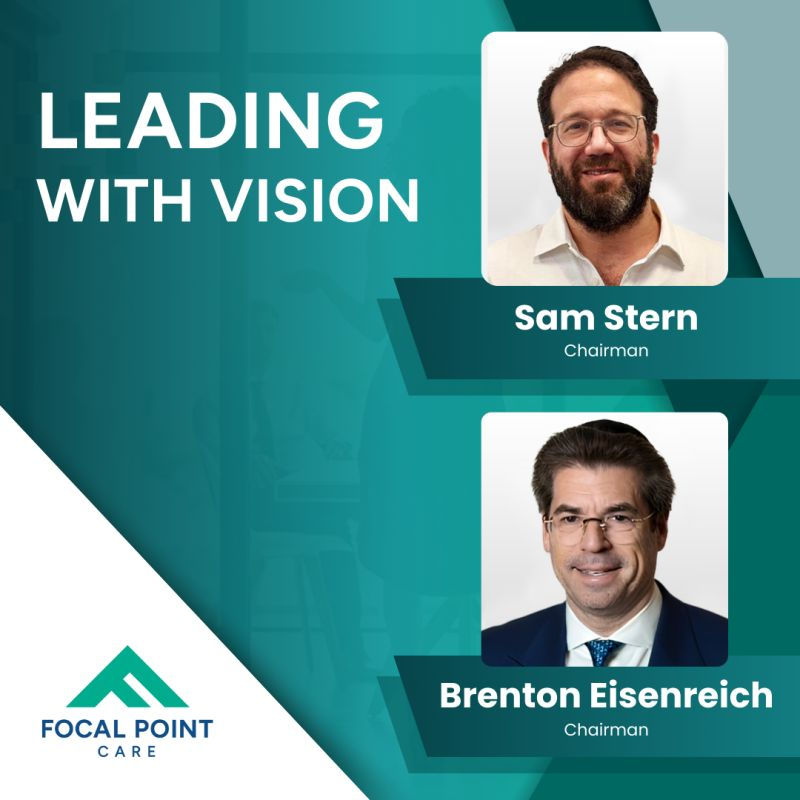
As a leader in healthcare finance and elder care, Sam Stern has observed and contributed to the evolution of the nursing home industry. His expertise sheds light on several global trends reshaping this critical sector, providing nursing homes with opportunities to adapt and thrive while addressing the increasing demands of an aging population.

1. The Rise of Home-Based Care Solutions
One of the most prominent trends in elder care is the growing preference for home-based care. Advances in technology, such as telemedicine and remote monitoring devices, have made it possible for elderly individuals to receive high-quality care from the comfort of their homes. Sam Stern highlights this as a key opportunity for nursing homes to diversify their services by offering hybrid models that combine residential care with in-home support.
2. Integration of Technology in Daily Operations
Technology is transforming the way nursing homes operate. From electronic health records (EHR) to automated scheduling and smart health monitoring systems, digital tools are enhancing efficiency and improving patient outcomes. Stern advocates for the adoption of these technologies to streamline administrative processes, reduce errors, and enable staff to focus more on personalized care for residents.
3. Emphasis on Mental Health and Wellness
The mental health of elderly individuals has become a central focus in elder care. As awareness of mental health issues grows, nursing homes are incorporating programs and therapies that address emotional well-being, cognitive stimulation, and social engagement. Stern believes this trend reflects a holistic approach to care, where the emotional and psychological needs of residents are given equal importance to their physical health.
4. Sustainability and Green Initiatives
Environmental sustainability is becoming increasingly relevant in healthcare. Nursing homes are adopting eco-friendly practices such as energy-efficient infrastructure, waste reduction programs, and the use of sustainable materials. Sam Stern sees this trend as a way for nursing homes to align with broader societal values while also reducing operational costs in the long term.
5. Workforce Development and Retention Strategies
The global shortage of skilled healthcare workers has prompted nursing homes to invest in workforce development and retention. Competitive compensation, continuous training programs, and creating supportive work environments are critical to addressing this challenge. Sam Stern Nirsing Home emphasizes that retaining a skilled workforce is essential for maintaining the quality of care and operational efficiency in nursing homes.
6. Shift Toward Integrated Care Systems
Integrated care systems are transforming how healthcare providers collaborate to deliver comprehensive care. Nursing homes are increasingly partnering with hospitals, primary care providers, and specialists to create a seamless continuum of care. Stern identifies this trend as a game-changer that not only improves patient outcomes but also optimizes resource utilization across the healthcare ecosystem.
7. Focus on Data-Driven Decision Making
Data analytics is becoming a cornerstone of modern nursing home management. By leveraging data, nursing homes can make informed decisions regarding resource allocation, patient care strategies, and operational improvements. Stern highlights how data-driven insights can help facilities adapt to changing demographics and regulatory requirements.
8. Customization and Personalized Care
Personalized care plans tailored to the specific needs of residents are becoming the norm. Nursing homes are prioritizing individual preferences, cultural considerations, and unique health requirements in their care delivery models. Stern views this trend as a critical step toward enhancing resident satisfaction and quality of life.
9. Regulatory Compliance and Quality Assurance
Evolving regulations in elder care require nursing homes to stay vigilant and proactive. Compliance with these standards ensures not only the safety and well-being of residents but also the financial stability of the facility. Stern advises nursing homes to adopt robust compliance frameworks and quality assurance programs to stay ahead of regulatory challenges.
10. Preparing for Future Generations of Residents
As demographics shift and future generations of elderly individuals enter nursing homes, expectations around care will evolve. Stern notes that nursing homes must adapt to these changes by incorporating modern amenities, technology, and services that resonate with a tech-savvy and increasingly diverse population.
Conclusion
Sam Stern’s insights into global trends highlight the opportunities and challenges facing the nursing home industry. By embracing innovation, focusing on resident-centered care, and aligning with broader societal values, nursing homes can adapt to these trends and remain relevant in an ever-changing landscape. Stern’s guidance underscores the importance of strategic planning and a forward-thinking approach in shaping the future of elder care.

Comments